


According to Rutherford’s model electrons are revolving with ………
a) high speed
b) low speed
c) moderate speed
d) zero speed
Explanation:high speed provide these electrons centripetal force.
According to Rutherford’s model atom consists of ……… portion called nucleus.
a) positively charged
b) neutral
c) negative charged
d) none of these
Explanation:Some of the α-particles were deflected by the gold sheet by very small angles, and hence the positive charge in an atom is not uniformly distributed. The positive charge in an atom is concentrated in a very small volume.
According to Rutherford’s model atom, nucleus contains …………
a) protons
b) neutrons
c) both a & b
d) none of these
Explanation:Atoms consist of three basic particles: protons, electrons, and neutrons. The nucleus (center) of the atom contains the protons (positively charged) and the neutrons (no charge). The outermost regions of the atom are called electron shells and contain the electrons (negatively charged).
Rutherford’s model could not explain ………
a) stability of an atom
b) line spectrum of an atom
c) a & b both
d) none of these
Explanation:According to Rutherford model atoms should radiate energy continuously and should give continuous spectrum, if atoms radiate energy continuously then it should collapse but it doesn’t sot it questioned the stability of an atom.
Quantum theory was proposed by………..
a) Rutherford
b) Bohr
c) Dalton
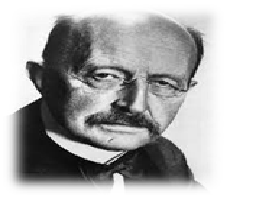
d) Max Plank
Explanation:Planck postulated that the
energy of light is proportional to the frequency, and the constant that relates
them is known as Planck's constant (h). His work led to Albert Einstein
determining that light exists in discrete quanta of energy, or photons.
Rutherford’s atomic model is based on ……...
a) laws of motion
b) law of gravitation
c) a & b both
d) none of these
پلینک ایک سائنس دان تھا۔ اس نے کہا کہ روشنی کی طاقت (توانائی) اس بات پر منحصر ہوتی ہے کہ وہ کتنی تیزی سے ہلتی ہے۔ یعنی اگر روشنی کی لہریں بہت تیزی سے ہلیں، تو اس میں زیادہ توانائی ہوگی۔ اور اگر آہستہ ہلیں، تو کم توانائی ہوگی۔ اس نے ایک قاعدہ بنایا جس میں بتایا کہ: > توانائی = ایک مستقل عدد × روشنی کے ارتعاش کی رفتار یہ مستقل عدد بعد میں پلینک مستقل (Planck constant) کے نام سے مشہور ہوا۔ بعد میں آئن سٹائن نے یہی بات آگے بڑھائی اور بتایا کہ روشنی صرف لہروں کی شکل میں نہیں بلکہ چھوٹے چھوٹے ذرات سے بھی بنی ہوتی ہے۔ ان ذرات کو فوٹون کہا جاتا ہے۔ ہر فوٹون دراصل توانائی کا ایک ننھا سا ذرہ ہوتا ہے۔ --- 🪔 سادہ مثال: سورج کی روشنی زیادہ گرم لگتی ہے کیونکہ اس کی لہریں بہت تیزی سے ہلتی ہیں (زیادہ توانائی رکھتی ہیں) جبکہ بلب کی روشنی ٹھنڈی لگتی ہے کیونکہ اس کی لہریں سست ہیں (کم توانائی رکھتی ہی
by at 2025-10-16 09:31:22